Project
VR Dental Simulator
A virtual-reality simulator with haptic force feedback that trains dental students' psychomotor skills before they ever touch a real patient.
01Overview
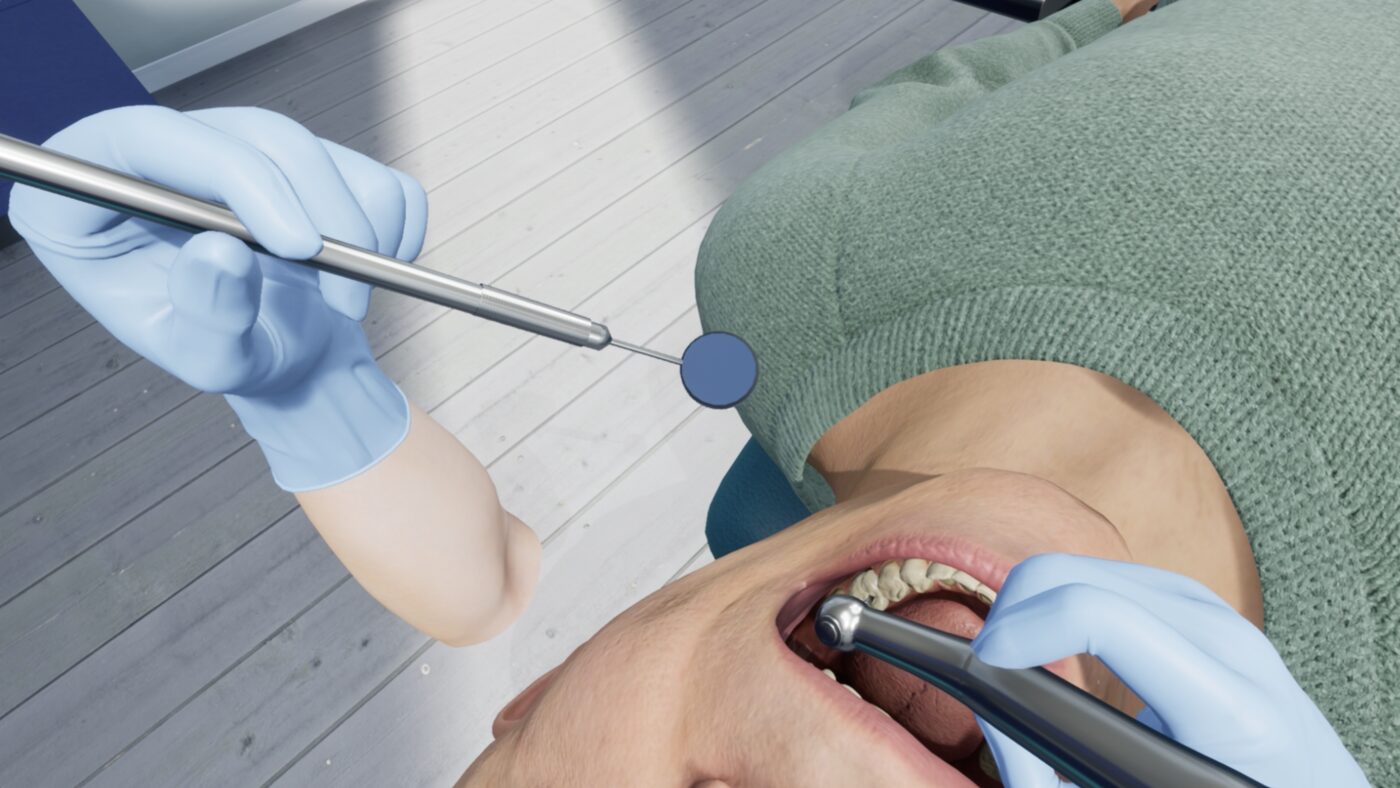
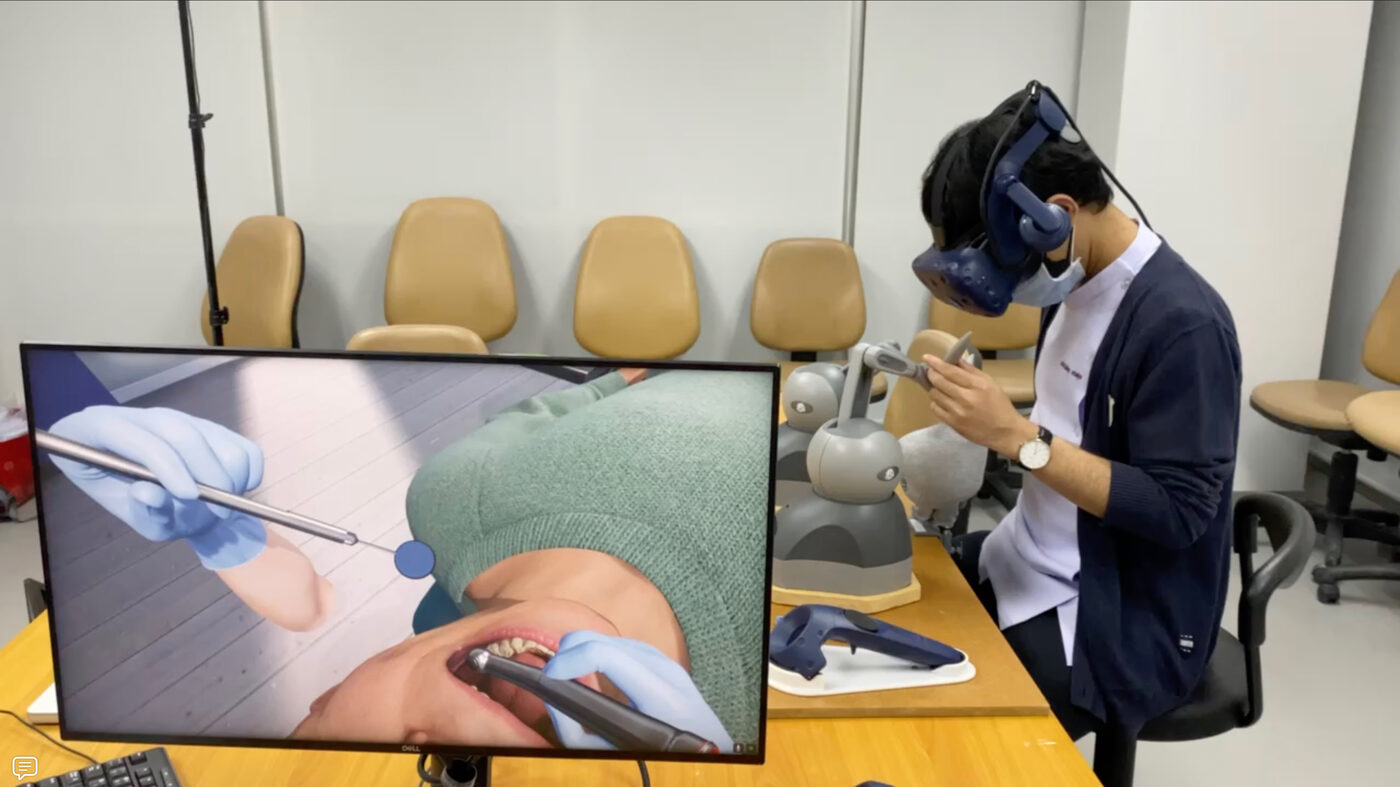
Preclinical dental education relies on plastic teeth, which offer little tactile realism and no opportunity to practice endodontic procedures in three dimensions. My simulator replaces those teeth with a virtual patient in a head-mounted display: students drill on virtual teeth while feeling realistic cutting forces through haptic devices, and they can navigate inside the tooth that would be invisible to the naked eye.
Behind the scenes are custom algorithms for collision detection, material removal, and real-time visualization — the parts that make a simulator feel like surgery. The material model continuously cuts virtual tooth tissue at haptic rates, and depth perception is supported by true 3D stereopsis and careful alignment of the physical hand with the virtual tool.
Part of the CGVR research program at the University of Bremen: project page at Uni Bremen →
02Videos
03How it works
A simulator has to fool two senses at once — your eyes and your hands. That requires three subsystems running at very different rates:
Collision detection
Haptic rendering needs fresh forces every millisecond, otherwise the feedback goes unstable.
Material removal
A cutting model removes virtual tooth tissue as the drill moves, with force coupled to hardness.
Visual rendering
Stereoscopic 3D plus hand–tool alignment keeps depth perception honest in the headset.
Teeth with three layers
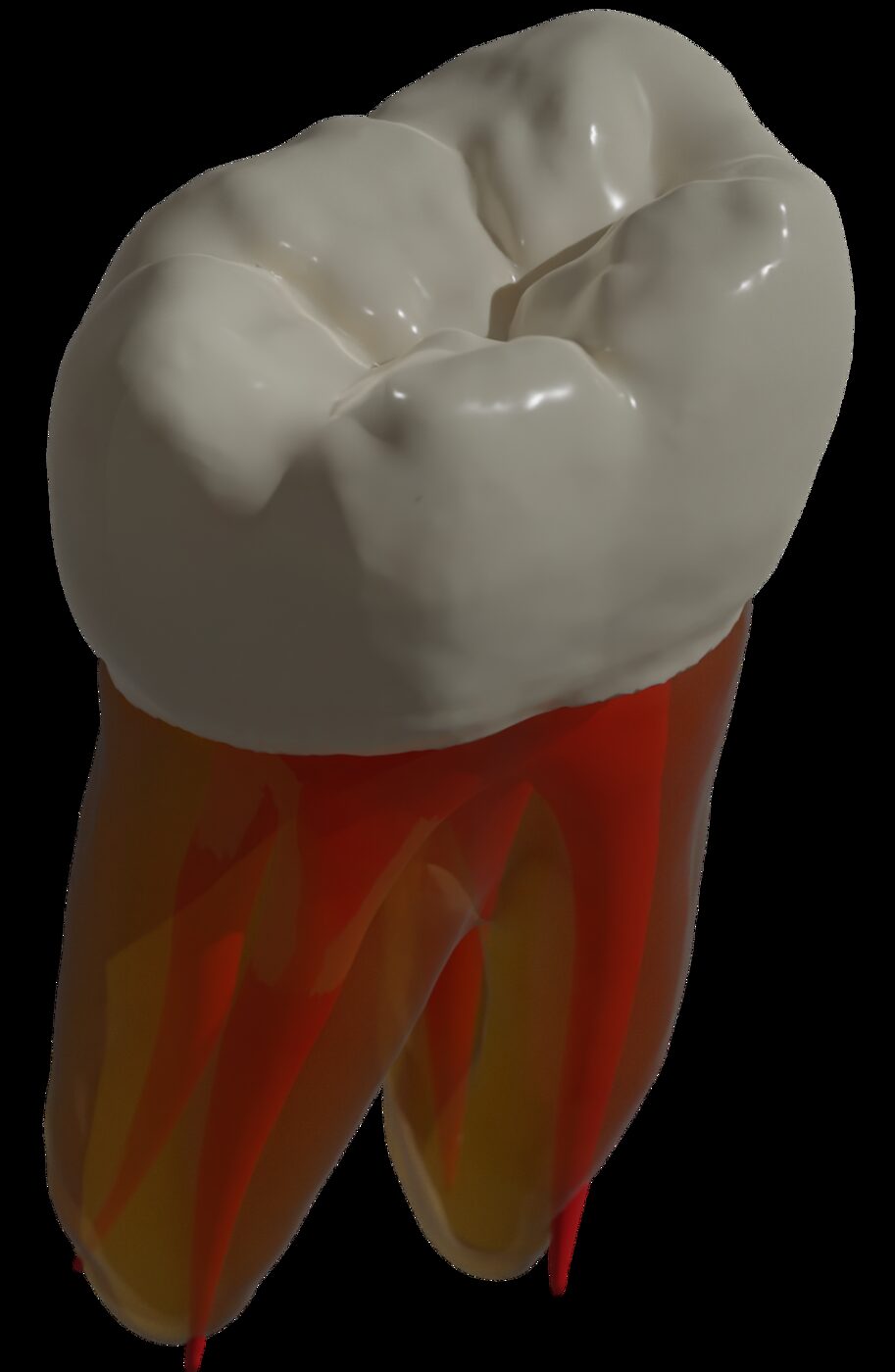
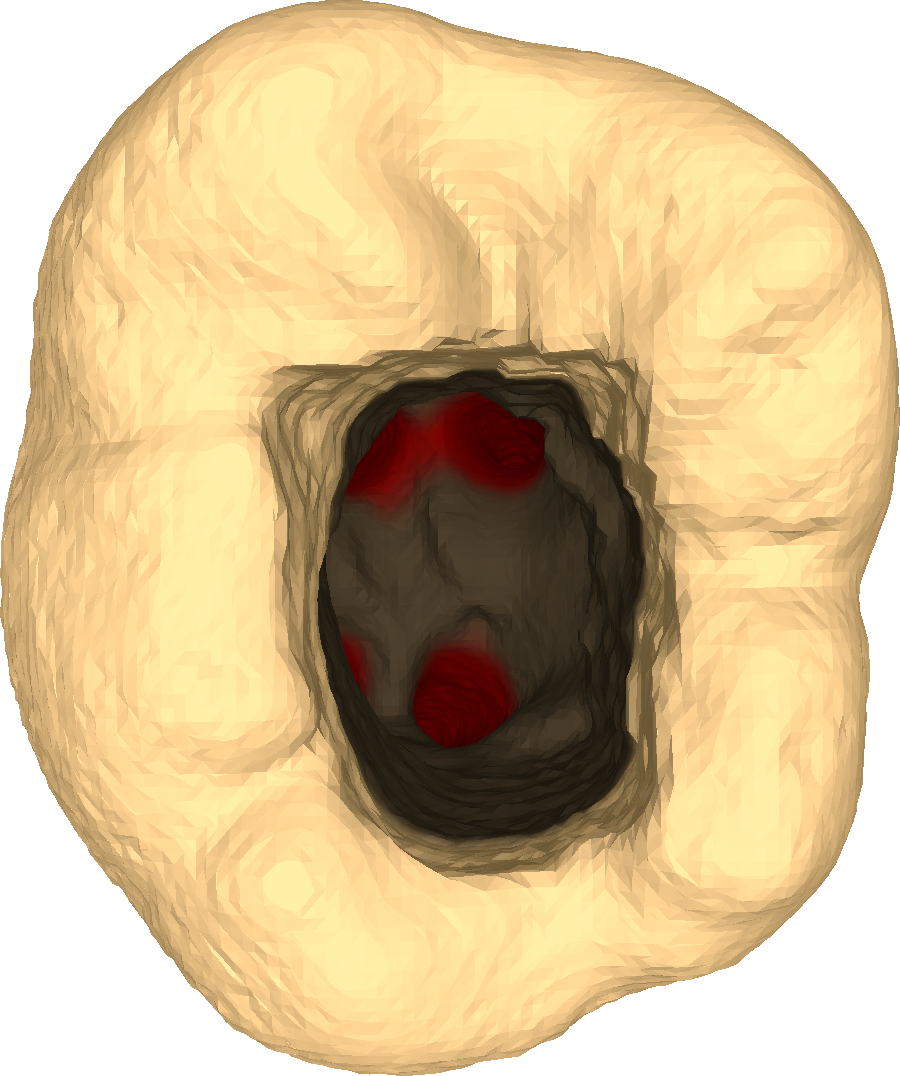
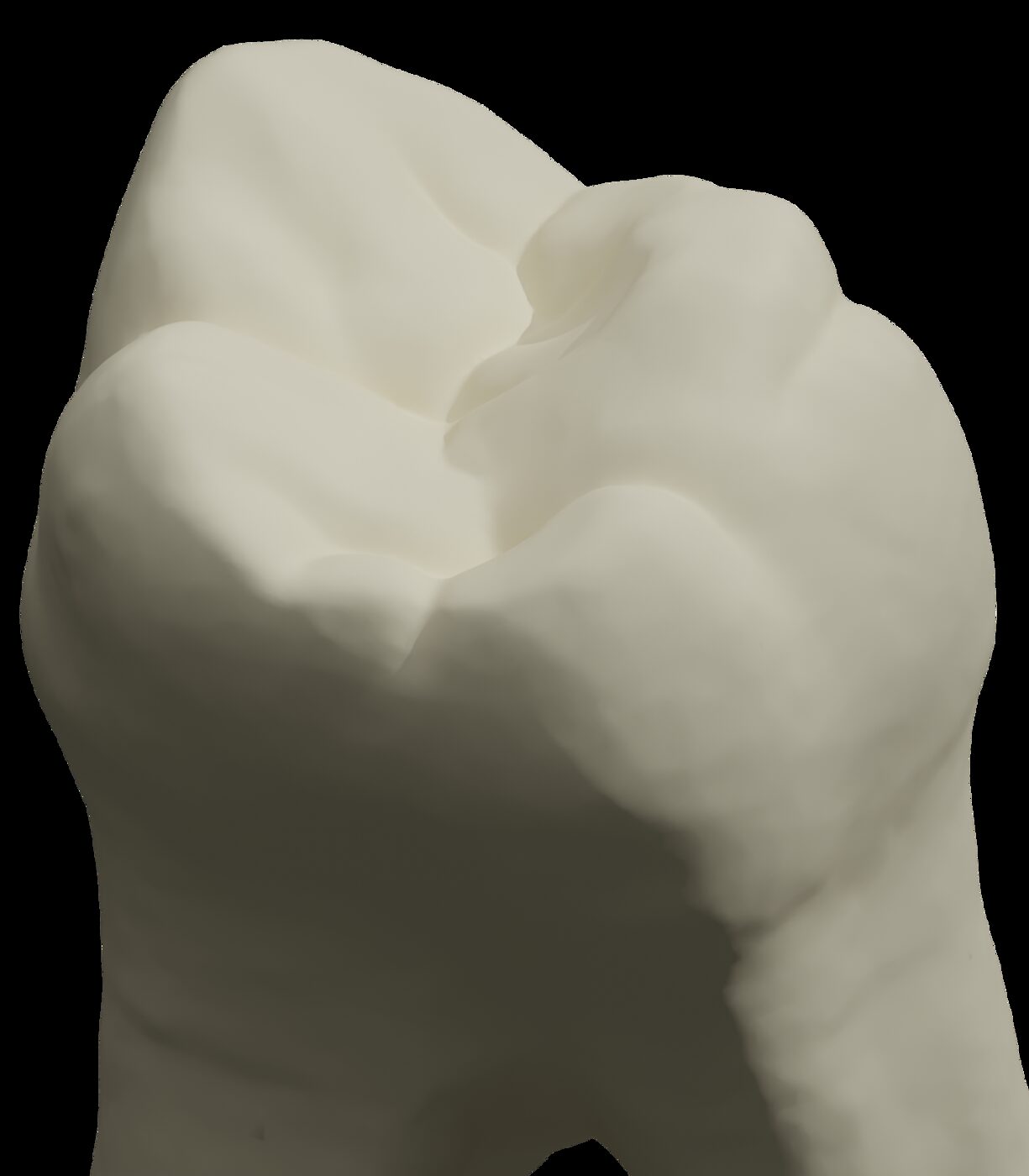
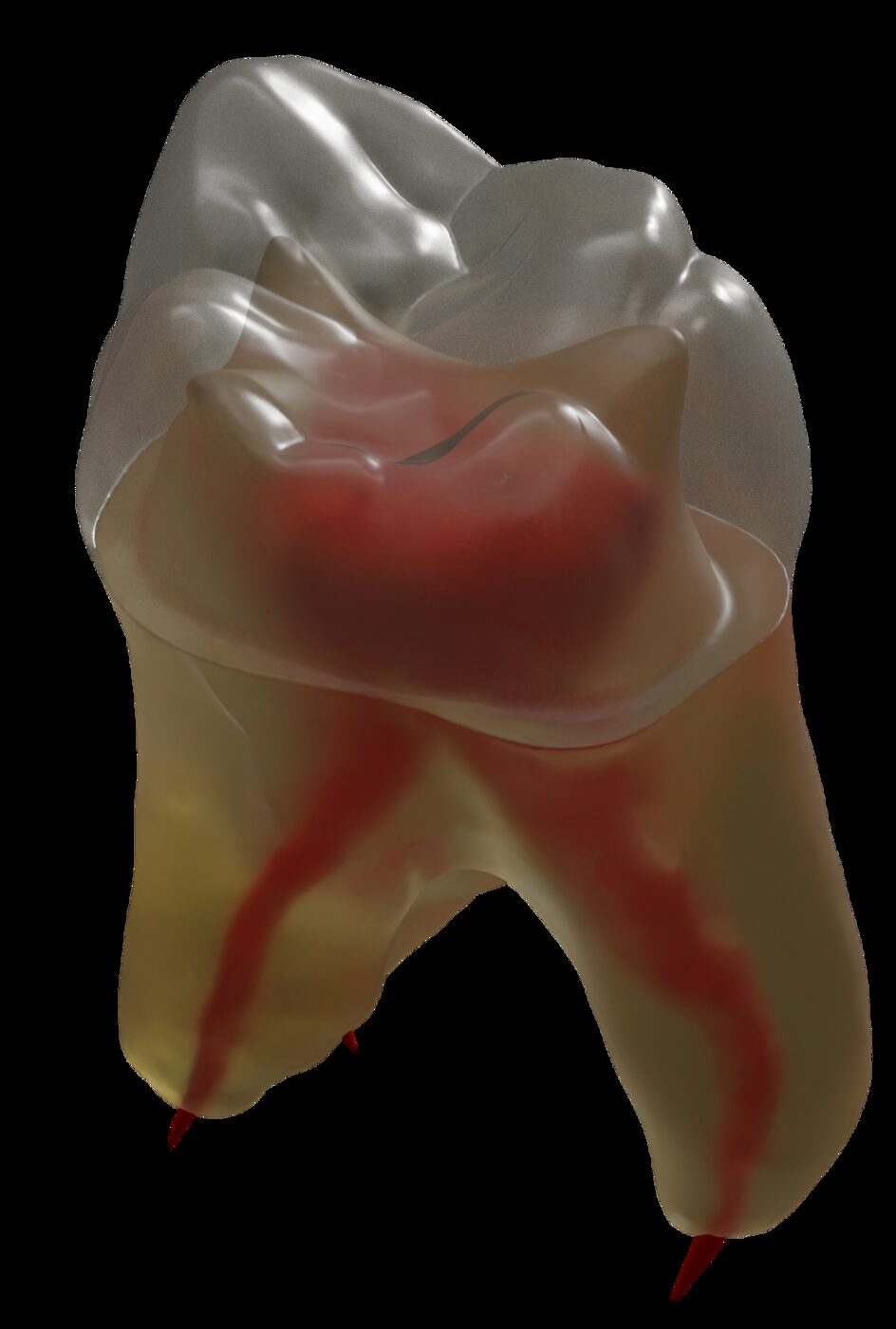
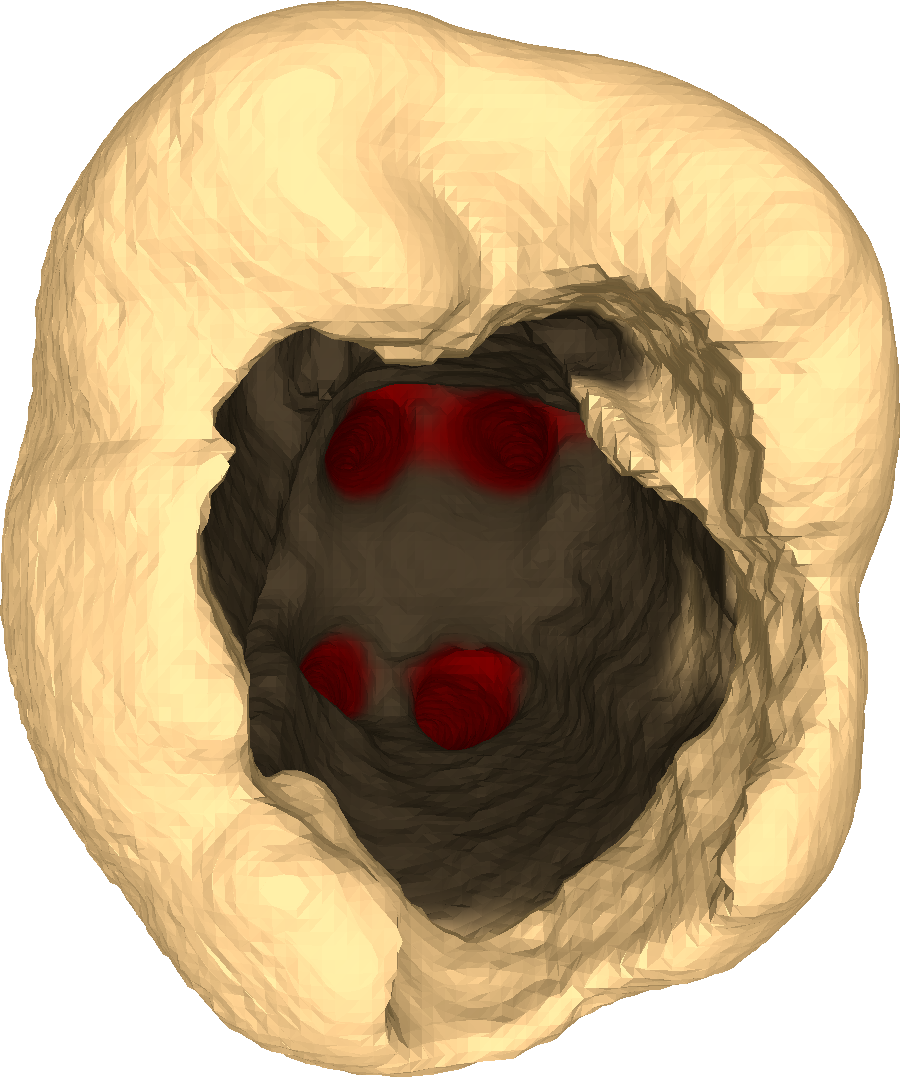
Every tooth models enamel, dentin, and pulp separately, so the drill feels the change of material as it cuts deeper.
Two hands, two haptic devices
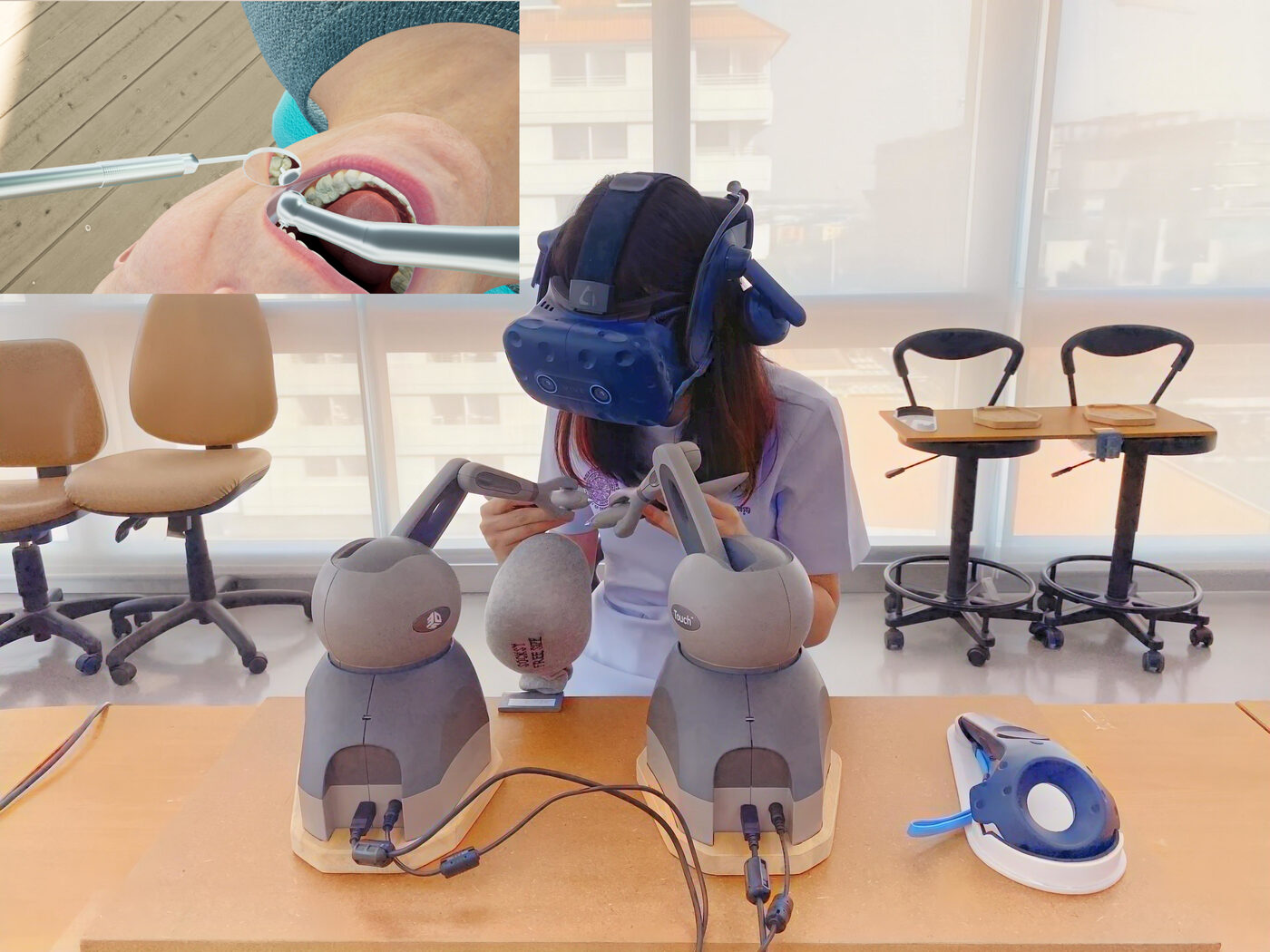
The mirror is controlled by the left hand, the drill hand-piece by the right — just like the real procedure.
Objective feedback
The system scores drilling outcomes against expert-approved shapes — the basis for the RCT showing real skill transfer.
04Gallery
05Key Results
- A randomized controlled trial with 83 dental students showed that training on the simulator significantly improves real-world clinical skills (BMC Medical Education, 2025).
- 3D stereopsis and hand–tool alignment significantly improve learning effectiveness and skill transfer to real phantom heads (PLOS ONE, 2023).
- Continuous material cutting with haptic feedback runs at interactive rates on consumer VR hardware (IEEE VR, 2019).